
Taking care of our health starts with something as simple as what we put on our plates.
We now know that the food we eat has a direct impact on our health, energy, and mood. Yet, health conditions linked to poor nutrition continue to rise. So, how can we explain this paradox?
Our bodies possess an extraordinary level of intelligence. They function continuously, without us having to consciously think about each and every process. Throughout our lives, our cells renew themselves, repair tissues, and carry out the vital functions that keep us alive. To do so, our bodies need energy, which they obtain from the food we eat.
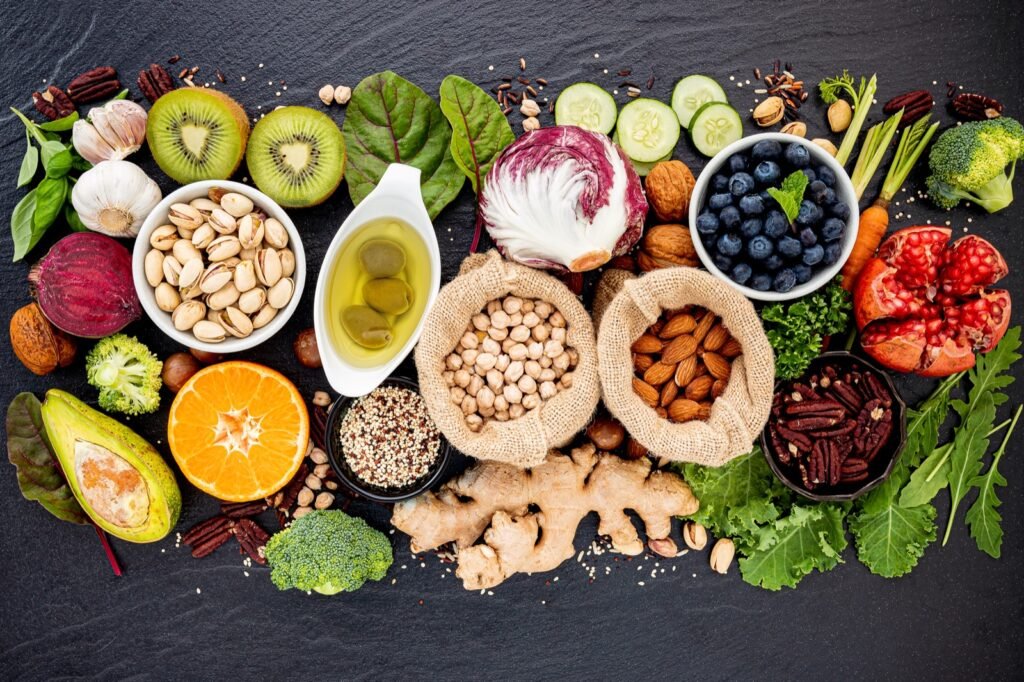
Every food we consume provides our bodies with information and essential building blocks. A physiologically appropriate diet, meaning one that is aligned with the body’s natural needs, is essential to supporting the proper functioning of our cells. Conversely, an unbalanced diet, low in essential nutrients and high in ultra-processed foods, can gradually contribute to the development of various health issues. It is therefore essential to fully recognize that a healthy, high-quality diet is fundamental to the proper functioning of our bodies.
Today, we live in a society where everything moves at a fast pace. Our days often seem too short to accommodate the countless tasks we need to accomplish. Within this modern lifestyle, many people turn to ready-made meals, often industrially processed, which tend to be high in sugar, salt, and additives. They also offer the convenience of being quick and easy to heat up. When consumed regularly over many years, these products can eventually have significant consequences for our health.

Another essential factor must also be considered: our food education. From an early age, our eating habits are shaped by our families, culture, traditions, and social environment. We often repeat these habits without questioning whether they truly meet our body’s physiological needs. But beyond these familiar patterns, do we really understand what it means to nourish our bodies in a way that supports their needs?
Eating is about much more than simply satisfying hunger. It is not about following a diet with strict rules, but rather about developing a more conscious, balanced, and compassionate relationship with our bodies. It is also about enjoying food while recognizing that our cells need the right resources to produce energy, maintain metabolic balance, and protect our long-term health.
It is about making more informed choices, prioritizing whole, minimally processed, and diverse foods from organic and local agriculture, and giving the food on our plates the importance it truly deserves:
A true ally in supporting our health, while never losing sight of the pleasure of eating.